The Advantages of Creating Fermented Foods at Home
Making cultured foods at home offers various positive aspects worth considering. The health benefits are significant, providing a boost to digestion and immunity. Moreover, it provides a sustainable and cost-effective way to use common ingredients. Beyond practical benefits, fermentation encourages creativity in flavoring and process. As home cooks explore this food preparation technique, they may discover unanticipated connections with others. What lies beyond these primary benefits?
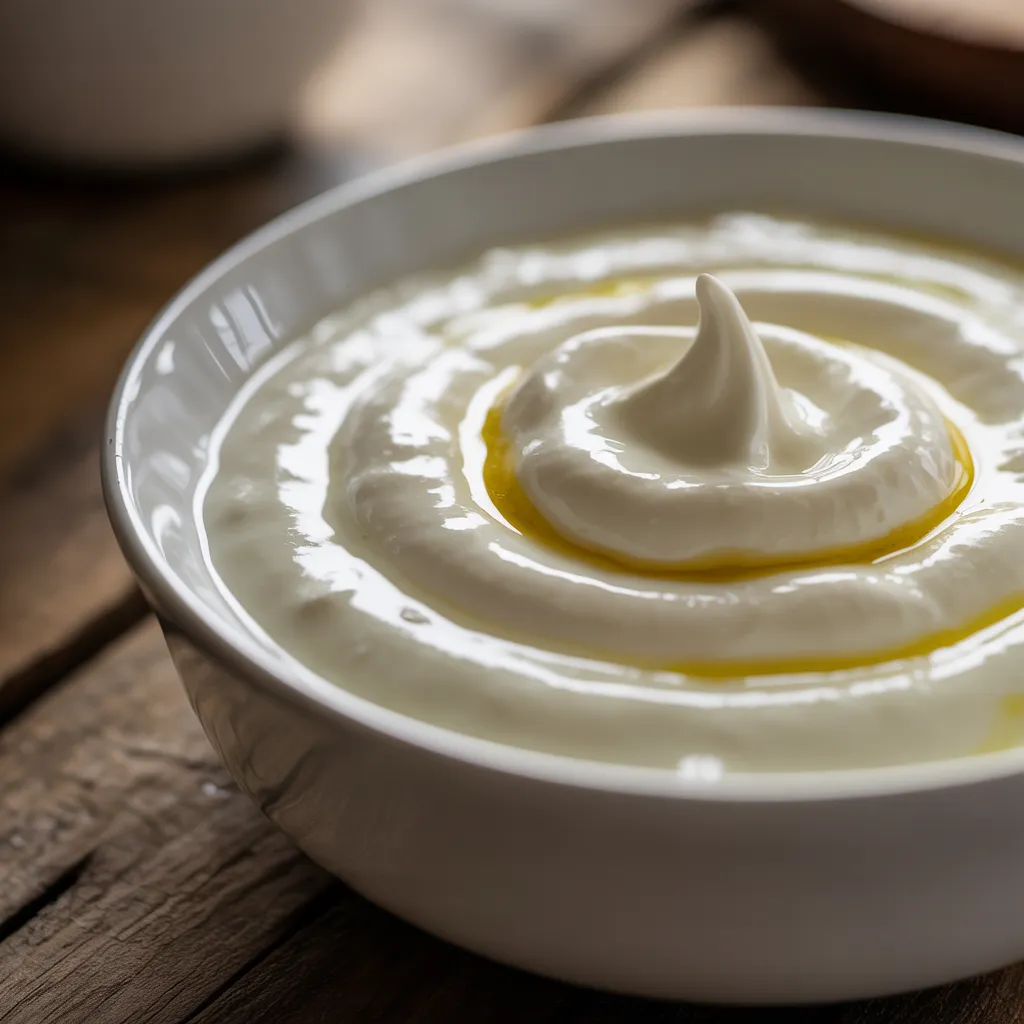
Health Benefits of Fermented Food Products
Though many individuals may not realize it, fermented foods provide a variety of health benefits that can improve general wellness. These foods, which include sauerkraut, yogurt, and kimchi, are loaded with probiotics, helpful bacteria that enhance digestive health. By incorporating fermented foods, individuals may experience improved gut flora, contributing to superior digestion and nutrient uptake. Furthermore, these foods can strengthen the immune system, helping the body ward off illnesses. The fermentation process also boosts the bioavailability of certain nutrients, making essential nutrients more accessible. Moreover, fermented foods have been linked to reduced inflammation and may even aid in mental health improvements, as recent studies suggests a connection see now between gut health and mood regulation. In summary, adding fermented foods into one's diet can support a healthier lifestyle.
Cost-Effective and Sustainable
Fermentation-based foods offer a strikingly economical and environmentally responsible alternative for families looking to improve their diets. By employing inexpensive ingredients like vegetables, grains, and dairy products, families can create nutritious meals at a fraction of the cost of retail options. Household fermentation decreases food waste, as it permits individuals to use leftover produce that might otherwise spoil. This process also reduces the reliance on packaged goods, resulting in a reduction in plastic waste and carbon footprints. Furthermore, making fermented foods at home enables individuals to control their food sources and promotes self-sufficiency. Overall, the practice of fermenting at home supports both economic and environmental sustainability, allowing families to experience health benefits without burdening their budgets or harming the planet.
Tailoring and Flavor Experimentation
When individuals commence on the journey of home fermentation, they discover a world of customization and flavor exploration that store-bought options simply fail to match. Each batch of fermented food becomes a unique expression of personal taste, permitting enthusiasts to experiment with numerous ingredients, spices, and fermentation durations. This creative freedom can generate unexpected flavor combinations, enriching the culinary experience. For instance, a simple vegetable kimchi can be modified with various vegetables, herbs, or heat levels to suit individual preferences. Additionally, the ability to control the fermentation process empowers enthusiasts to achieve desired textures and tanginess, resulting in truly personalized creations. Ultimately, home fermentation fosters a deeper connection to food, encouraging exploration and innovation in the kitchen.
Simple Fermentation Methods for Newcomers
Delving into the world of fermentation can be extremely fulfilling, especially for those beginning the practice. Simple techniques, such as lacto-fermentation, offer an accessible entry point. Beginners can start with vegetables like cabbage or carrots, using a saltwater brine to create an environment for beneficial bacteria. The process typically involves cutting the vegetables, blending them with salt, and allowing them to ferment in a jar for several days. Another straightforward method is making yogurt at home, requiring just milk and a yogurt starter. Keeping the mixture warm encourages bacterial growth. Furthermore, creating a basic sourdough starter from flour and water acquaints individuals to the art of bread fermentation, building confidence and curiosity in this time-honored culinary tradition.
Forming a Community By means of Fermentation
How can the practice of fermentation foster connections among enthusiasts? Fermentation generates both delectable foods and a lively community of engaged enthusiasts. Aficionados commonly share approaches, recipes, and guidance, nurturing a collaborative learning environment. Neighborhood workshops and web-based forums act as gathering places for enthusiasts to exchange knowledge and guidance, developing friendships rooted in shared dedication. Social occasions, such as potluck events displaying artisanal ferments, inspire interaction and respect for culinary diversity. Through connecting over their fermentation experiences, people develop supportive communities that improve their abilities and understanding. Eventually, practicing fermentation draws people together, turning a personal endeavor into a group tribute to cuisine and creative expression.
FAQ
What Equipment Is Necessary to Start Home Fermentation?
To commence fermentation at home, one needs fundamental equipment: glass containers or fermentation vessels, airlocks, weights, a non-metallic stirring utensil, and a thermometer. Optional additions include pH strips and fermentation lids for improved control.
How Long Does Fermentation Typically Take for Different Foods?
Fermentation times vary by food type. For example, sauerkraut takes 1-4 weeks, kimchi needs 1-2 weeks, and yogurt commonly needs 4-12 hours. Variables including temperature and intended flavor also determine the duration greatly.
Is It Possible to Use Store-Bought Ingredients for Fermentation?
Yes, store-bought ingredients can be used for fermentation. The quality and freshness of such ingredients, however, can impact both the fermentation process and resulting taste, so opting for high-quality items is suggested to achieve the finest results.
What Are the Warning Signs of Failed Fermentation?
Signs of inadequate fermentation include off-putting odors, uncommon colors, excessive mold growth, or a slimy texture. If the final product tastes excessively sour or bitter, it may reveal that fermentation has not advanced correctly.
Does Home Fermentation Present Any Safety Concerns?
Home-based fermentation can create safety issues, including the risk of pathogenic microorganisms or mold proliferation. Correct sanitation procedures, complying with recipe instructions, and overseeing fermentation circumstances are vital to secure safe and successful outcomes while limiting health risks.