Essential Amino Acids Explained: The Cornerstone of Protein Function and Muscle Vitality
Essential amino acids (EAAs) are vital for preserving health and enhancing muscle function. In contrast to non-essential amino acids, the body is unable to synthesize EAAs, making nutritional intake required. These nine particular amino acids play a significant role in protein synthesis and muscle repair. Understanding their role can illuminate why they are important, especially for those engaged in physical activities. The consequences of EAA intake go beyond muscle fitness and into complete well-being, generating important questions regarding diet and supplementation.
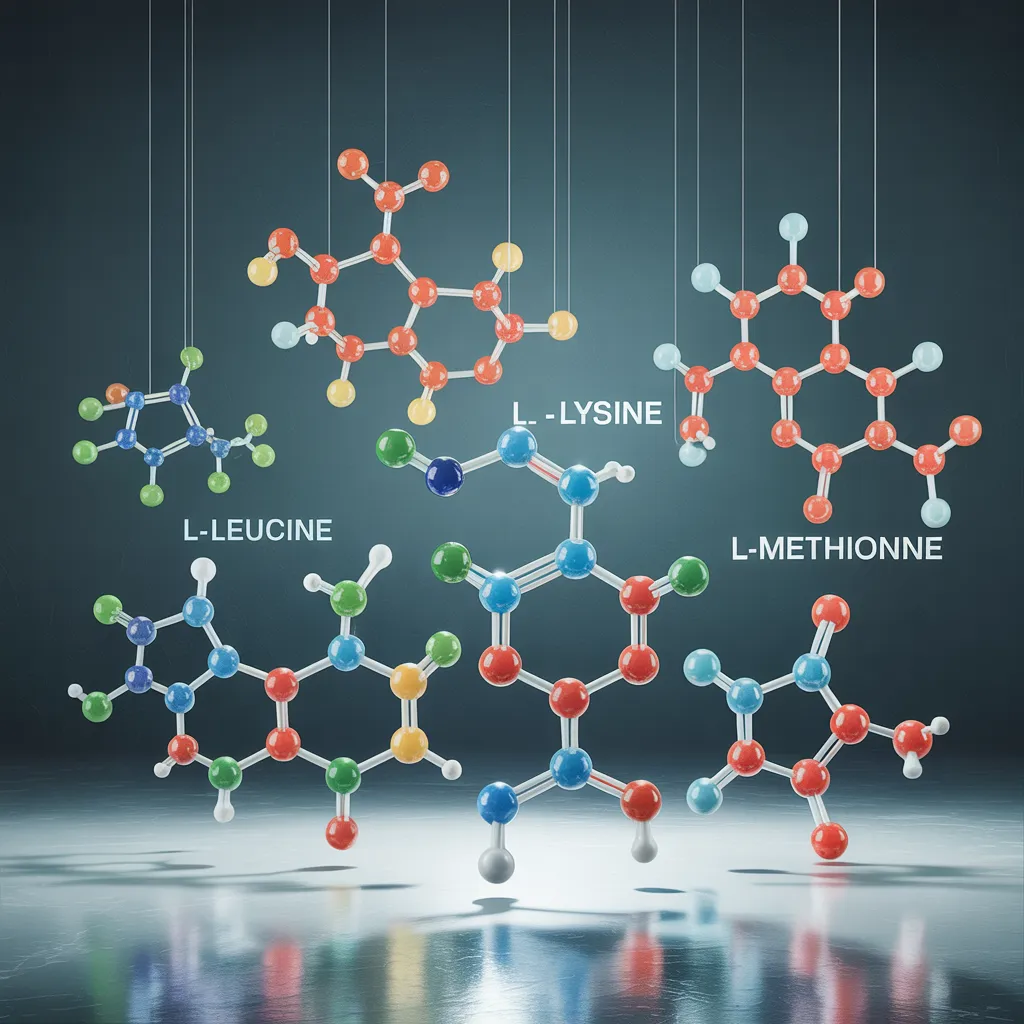
What Are Essential Amino Acids?
Essential amino acids are the building blocks of proteins that the human body cannot synthesize on its own. There are nine essential amino acids: histidine, isoleucine, leucine, lysine, methionine, phenylalanine, threonine, tryptophan, and valine. These amino acids fulfill critical roles across multiple physiological functions, including tissue repair, hormone production, and immune response. In contrast to non-essential amino acids that the body can create, essential amino acids must be obtained through diet. These can be found in multiple food sources, particularly in animal products like meat, fish, eggs, and dairy. Some plant-based sources, such as quinoa and soy, also offer a full spectrum of essential amino acids. Recognizing the critical nature of these amino acids is key to preserving overall health and wellness. Insufficient essential amino acids may result in various health problems, emphasizing the need for a balanced diet.
How EAAs Function in Protein Synthesis
Amino acids serve a crucial function in protein synthesis, working as the essential elements that link together to form proteins. Among these, essential amino acids (EAAs) are remarkably vital, as they are unable to be created by the human body and must be sourced through diet. The presence of EAAs begins the process of translation, where ribosomes translate messenger RNA to assemble amino acids into polypeptide chains. Each EAA has a specific role, supporting the formation of varied proteins that support multiple physiological functions. For example, leucine is known to stimulate muscle protein synthesis directly, while others like valine and isoleucine support restoration and energy metabolism. A balanced intake of EAAs guarantees that the body can successfully repair tissues, produce enzymes, and maintain general cellular health. Therefore, understanding the role of EAAs in protein synthesis emphasizes their importance in dietary planning and nutritional strategies.
The Critical Role of EAAs for Healthy Muscles
Optimal muscle health is heavily dependent on the presence of essential amino acids (EAAs), which are critical for examine guide multiple physiological processes. These amino acids are instrumental in muscle protein synthesis, repair, and recovery. Without proper EAAs, the body fails to effectively create or retain muscle tissue, leading to potential loss of strength and capability.
Furthermore, EAAs help with the prevention of muscle wasting, notably during periods of immobility or energy restriction. They also maintain hormonal balance and optimize metabolic processes that are crucial for overall muscle health.
Along with their direct effects on muscle tissue, EAAs can affect exercise performance and recovery times, making them a significant consideration for athletes and fitness enthusiasts. By maintaining a sufficient intake of these amino acids, individuals can optimize muscle health and performance, consequently promoting a stronger and more resilient physique.
Dietary Sources of Essential Amino Acids
Multiple food sources provide essential amino acids (EAAs), which are critical for maintaining overall health and supporting bodily functions. Animal-based proteins are notably rich in EAAs, with options like meat, poultry, fish, eggs, and dairy products. These foods deliver a complete amino acid profile, making them highly effective for muscle repair and growth.
Plant-derived sources also contribute to EAA intake, although they may be missing one or more essential amino acids. Legumes, like beans and lentils, are notable for their EAA content, as are nuts and seeds. Quinoa and soy products, such as tofu and tempeh, are among the select plant foods that provide all nine essential amino acids, making them excellent choices for vegan and vegetarian individuals. Integrating a varied range of these food sources can help individuals fulfill their EAA requirements and encourage ideal health.
How to Add EAAS To Your Diet
Incorporating essential amino acids (EAAs) into one's diet can be accomplished through various food sources and supplementation options. Those seeking better nutrition can boost their intake by opting for protein-rich foods or considering EAA supplements. Understanding these approaches can help improve overall nutritional balance and support well-being.
Dietary Origins of EAAs
Essential amino acids (EAAs) serve a vital function in maintaining overall health and supporting various bodily functions. To guarantee adequate intake, individuals can concentrate on a range of food sources rich in these vital nutrients. Animal-based foods, such as skinless poultry, fish, eggs, and dairy products, are complete proteins providing all nine EAAs. For those following a plant-based diet, alternatives like quinoa, soy products, and chia seeds are excellent sources. Combining different plant proteins, such as legumes with grains, can also deliver a complete amino acid profile. Incorporating these foods into meals and snacks not only supports muscle health but also boosts overall nutritional balance, making it easier to meet daily EAA demands.
Available Supplementation Options
For individuals who may struggle to meet their daily EAA requirements through food sources alone, supplementation offers a practical solution. Various forms of EAA supplements are available, including powders, capsules, and ready-to-drink beverages. Powders can be easily mixed into smoothies or shakes, providing a customizable option for intake. Capsules offer convenience for those on-the-go, while ready-to-drink options are ideal for quick consumption post-workout. It is vital to pick high-quality products that contain a balanced ratio of all essential amino acids. Timing is also significant; consuming EAAs before or after exercise can improve muscle recovery and growth. Ultimately, incorporating EAA supplements into a balanced diet can successfully support total protein needs and muscle health.
EAA Supplement Benefits
Amino acid supplementation can play a pivotal role in enhancing overall health and performance. Those who are athletes or engage in regular fitness activities find essential amino acid supplements particularly valuable. Such supplementation may assist in stimulating muscle protein synthesis, a critical factor for muscular repair and development. Furthermore, essential amino acids help preserve lean muscle tissue, particularly when experiencing calorie restriction or fat loss periods.
Research indicates that EAA supplementation may improve exercise performance by reducing fatigue and enhancing endurance. Additionally, they can assist with immune function, helping the body heal more effectively from vigorous exercise. EAA supplements are often seen as accessible options for individuals who may face challenges to meet their protein requirements through diet alone. On the whole, incorporating EAA supplements can bring positively to muscle health, performance outcomes, and overall wellness, making them a beneficial addition to a balanced nutrition routine.
Potential Risks of EAA Shortage
A lack of EAA may result in serious health issues, including muscle loss, which can impact overall strength and mobility. Additionally, inadequate essential amino acids may impair immune function, increasing susceptibility to infections. Hormonal disruptions can additionally develop, which may interfere with various bodily processes and contributing to a decline in well-being.
Muscle Atrophy Risks
When essential amino acids are insufficient in the diet, individuals may confront significant risks related to muscle loss. Essential amino acids play a critical role in protein synthesis, which is vital for keeping muscle mass. Without appropriate intake, the body may commence to break down existing muscle tissue to satisfy its amino acid needs. This process can bring about a decrease in muscle strength and function, raising the risk of injuries and impairing physical performance. Moreover, prolonged deficiency can lead to sarcopenia, a condition defined by age-related muscle loss. Athletes and active individuals are uniquely vulnerable, as their muscle recovery and growth rely heavily on sufficient EAA levels. Managing EAA deficiency is vital for preserving muscle health and overall physical well-being.
Reduced Immune Function
The health of muscles is closely connected to overall physical well-being, and a deficiency in essential amino acids can cause more than just muscle loss. Essential amino acids play a significant role in the immune system, as they are essential for the synthesis of proteins that support immune function. When these amino acids are inadequate, the body's ability to produce antibodies and other immune cells decreases, leaving it more vulnerable to infections and diseases. This impaired immune response can result in prolonged illnesses and increased susceptibility to pathogens. In addition, a weakened immune system can exacerbate existing health conditions, creating a cycle of deterioration. Therefore, maintaining adequate levels of essential amino acids is critical for sustaining a robust immune response and overall health.
Problems Related to Hormonal Imbalance
Overall health can be significantly affected by hormonal imbalances, and shortages of essential amino acids might factor into this issue. Essential amino acids (EAAs) perform an essential role in hormone production and regulation. For instance, they are required for producing hormones and neurotransmitters including insulin, growth hormone, and cortisol. A lack of EAAs can disrupt these processes, causing mood disorders, metabolic complications, and modified stress responses. Additionally, deficient amino acid intake may compromise the body's potential to maintain hormonal stability, leading to signs including fatigue, weight fluctuations, and reproductive health problems. Therefore, maintaining an appropriate amount of essential amino acids through dietary sources or supplements is crucial for promoting hormonal health and overall health.
Your Questions Answered
Can Essential Amino Acids Assist With Weight Loss?
Important amino acids could support weight reduction by supporting muscle preservation during calorie deficits, enhancing metabolism, and reducing appetite. Their importance in protein synthesis aids in preserve lean body mass, which can enhance effective weight management methods.
What Are the Side Effects of EAA Supplements?
Using EAA supplements might result in side effects including gastrointestinal upset, nausea, or headaches in some individuals. It's recommended to consult a healthcare practitioner before beginning any supplementation to minimize potential adverse reactions.
How Do Vegetarians Obtain Essential Amino Acids?
Those following a vegetarian diet obtain important amino acids by ingesting a selection of plant-based proteins, such as legumes, nuts, seeds, quinoa, and soy products. Mixing different protein sources provides a complete amino acid profile for optimal health.
Will Essential Amino Acids Boost Athletic Performance?
Vital amino acids can boost athletic performance by supporting muscle repair, growth, and recovery. They fulfill a crucial role in protein synthesis, which may result in increased endurance, strength, and overall physical performance in athletes.
Are Essential Amino Acids Safe for Children?
Essential amino acids are generally considered safe for children when consumed through a balanced diet. Supplementation should be approached cautiously, however, and ideally guided by a healthcare professional to ensure proper growth and development.