Elevate Your Well-Being: The Essential Role of Gut Health in Your Life
Gut health plays a pivotal role in overall well-being. It influences digestion, nutrient absorption, and even emotional stability. A properly functioning gut microbiome can elevate mood and decrease anxiety. However, many disregard the critical nature of their gut. Understanding the connection between gut health and numerous aspects of life is vital. As individuals aim to improve their health, exploring this connection may expose surprising insights and practical strategies for achieving better health outcomes.
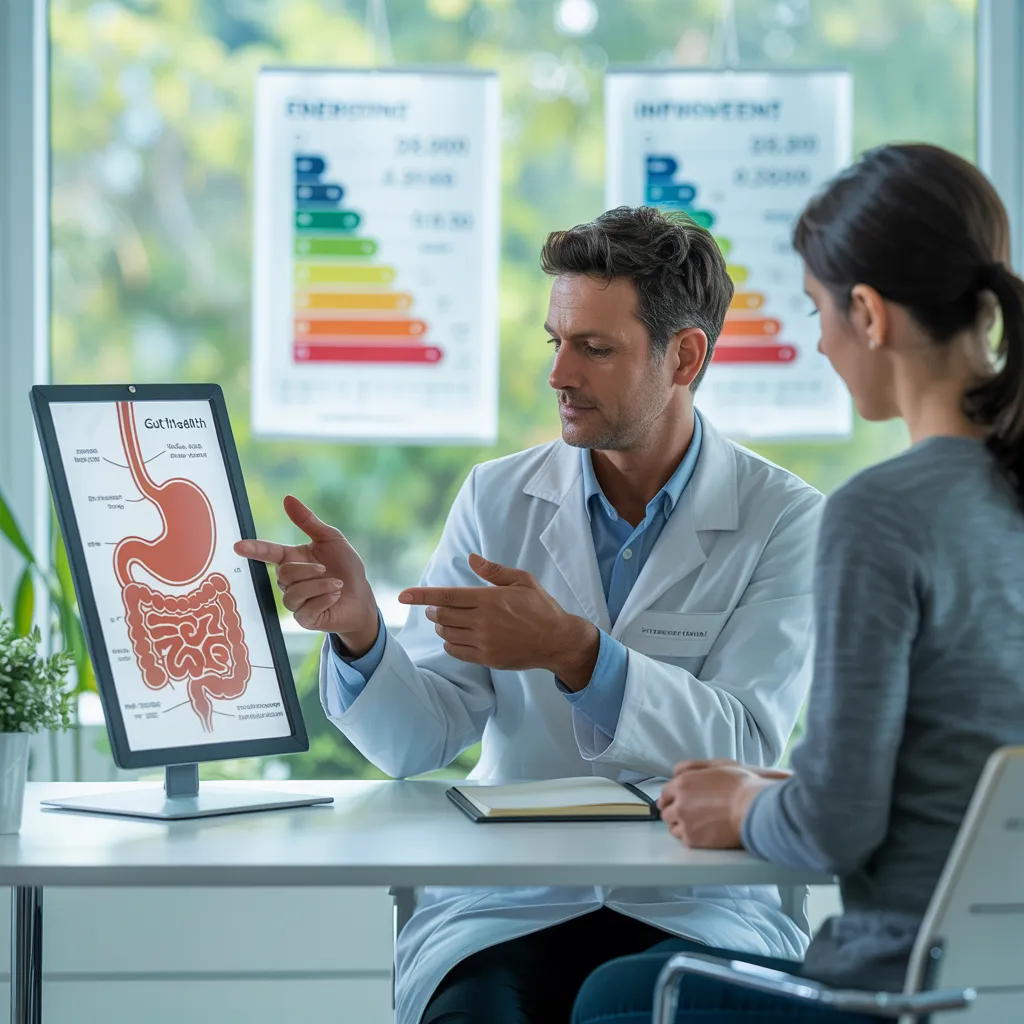
Understanding Gut Health: The Fundamentals
While frequently neglected, gut health plays a vital role in overall well-being. The gut, or gastrointestinal tract, is in charge of digesting food, absorbing nutrients, and expelling waste. A balanced gut microbiome, consisting of trillions of microorganisms, is critical for maximum digestive health. These microorganisms support breaking down complex carbohydrates, synthesizing vitamins, and guarding against harmful bacteria.
Elements like diet, stress, and antibiotic use can upset this delicate balance, resulting in conditions such as bloating, constipation, or irritable bowel syndrome. A wide-ranging diet rich in fiber, fermented foods, and probiotics can promote gut health by encouraging beneficial bacteria. Moreover, staying hydrated and managing stress levels also contribute to a healthy gut environment. Understanding the essentials of gut health helps individuals understand its significance in achieving overall health, establishing the foundation for improved physical and mental well-being.
The Relationship Between Your Gut and Mood: A Brain Connection
Research increasingly highlights the elaborate relationship between the gut microbiome and emotional well-being. The gut not only shapes physical health but also plays a critical role in the creation of neurotransmitters that regulate mood. Grasping this connection can yield perspectives into how gut health affects emotional states.
Intestinal Microbiome and Emotions
What role does the gut microbiome play in influencing emotions and mental health overall? Scientific evidence suggests a meaningful relationship between gut health and emotional wellness. The gut microbiome, consisting of trillions of microorganisms, plays a key role in regulating the body's stress response and emotional regulation. When gut bacteria are diverse and balanced, it can generate metabolites that beneficially influence brain function, possibly enhancing mood and reducing anxiety. Conversely however, dysbiosis or an imbalance in gut bacteria may be linked to mood disorders, such as depression and anxiety. This connection demonstrates that maintaining a healthy gut microbiome through diet and lifestyle choices could contribute to improved emotional resilience, emphasizing the importance of gut health in achieving overall mental wellness.
Neurotransmitter Function and Gut Health
The complex connection between neurotransmitters and gut health demonstrates the profound impact the intestinal system has on mood and emotional well-being. Neurotransmitters such as serotonin, dopamine, and gamma-aminobutyric acid (GABA) are produced in the gut, shaping neurological processes and emotional states. Research indicates that gut microbiota composition can impact neurotransmitter production, thus impacting mood regulation. A healthy gut microbiome promotes the balance of these chemicals, potentially decreasing anxiety and depression symptoms. Conversely, dysbiosis—an imbalance in gut bacteria—can trigger altered neurotransmitter levels, negatively compromising mental health. This gut-brain connection underscores the importance of maintaining gut health for overall emotional stability and delivers potential pathways for addressing mood disorders through dietary and lifestyle interventions.
How Diet Affects Gut Health
Though various factors contribute to gut health, diet plays a important role in shaping the composition of the gut microbiome. The types of foods consumed directly influence the diversity and abundance of microbial populations. Diets high in fiber, such as fruits, vegetables, and whole grains, foster the growth of beneficial bacteria, boosting gut function and overall health. However, high-fat and high-sugar diets can cause dysbiosis, an imbalance of gut microorganisms, which may result in various health issues, including inflammation and metabolic disorders.
Additionally, the consumption of processed foods often lacks essential nutrients and fiber, further weakening gut health. Water intake also plays a vital role, as appropriate water intake facilitates digestive processes. In the end, a varied and balanced diet is fundamental for sustaining a healthy gut microbiome, which in turn shapes numerous bodily functions and supports review article overall vitality. Therefore, dietary choices are essential to fostering excellent gut health.
Probiotics & Prebiotics: Essential for a Healthy Gut
Probiotics and prebiotics play an essential role in maintaining gut health. Probiotics deliver helpful bacteria that aid digestion and immune function, while prebiotics function as nourishment for these microorganisms, encouraging their development. Combined, they establish a balanced gut environment essential for overall wellness.
Significance of Probiotics
How does the balance of beneficial bacteria in the gut greatly influence overall health? Probiotics, which are live microorganisms, play a vital role in maintaining this balance. They contribute to digestive health by supporting the gut lining, improving nutrient absorption, and preventing the growth of harmful bacteria. Research suggests that a healthy population of probiotics can enhance the immune system, decreasing the risk of infections and illnesses. Additionally, probiotics have been linked to better mental health and mood regulation, as they produce neurotransmitters such as serotonin. Incorporating probiotic-rich foods, such as yogurt and fermented vegetables, can foster a diverse gut microbiome. Overall, probiotics are essential for supporting wellness and avoiding various health issues, underscoring their importance in a balanced diet.
Purpose of Prebiotics
While probiotics are important, they don't solely maintain the balance of beneficial bacteria in the gut; prebiotics play a crucial role in gut health too. These fibers that cannot be digested serve as sustenance for probiotics, supporting their growth and activity. Through promoting a thriving microbiome, prebiotics improve digestion and nutrient absorption, both essential for overall health. Foods rich in prebiotics include garlic, onions, bananas, and whole grains. Regular consumption of these foods can help maintain a diverse gut microbiota, which is linked to improved immune function and reduced inflammation. Additionally, prebiotics have been shown to contribute to mental health, highlighting their importance beyond physical well-being. As a result, including prebiotics in one's diet is vital for promoting a healthy gut environment.
Frequent Gastrointestinal Issues and Their Indicators
Although many people may overlook gut health, multiple issues can occur that substantially influence overall well-being. Typical gut health concerns include irritable bowel syndrome (IBS), which commonly shows indicators such as abdominal cramps, bloating, and irregular bowel habits. Another prevalent condition is gastroesophageal reflux disease (GERD), distinguished by heartburn, regurgitation, and challenges swallowing. Inflammatory bowel diseases (IBD), such as Crohn's disease and ulcerative colitis, can result in serious abdominal pain, diarrhea, and weight loss.
In addition, dysbiosis, an imbalance in gut bacteria, may present itself as food intolerances, fatigue, and skin issues. Celiac disease, an autoimmune disorder triggered by gluten, often presents with symptoms like diarrhea, fatigue, and nutrient deficiencies. Identifying these symptoms is essential for seeking appropriate medical intervention, as untreated gut issues can lead to more serious health complications. Knowledge of these common conditions is the first step toward better gut health.
Lifestyle Changes to Improve Gut Health
Implementing deliberate lifestyle modifications can significantly improve gut health, as balanced eating habits and routine physical movement fulfill critical roles in sustaining a healthy digestive system. Individuals are encouraged to incorporate a variety of fiber-rich foods, such as fruits, vegetables, and whole grains, which foster beneficial gut bacteria. Additionally, fermented foods like yogurt, kefir, and sauerkraut can introduce probiotics that encourage gut flora diversity.
Adequate water intake is also vital; consuming sufficient water helps with digestive function and nutrient assimilation. Limiting processed foods high in sugars and unhealthy fats can further enhance gastrointestinal health by reducing inflammation and promoting a healthy gut flora. Regular physical activity not only supports digestive function but also supports the management of daily stress, which can negatively affect gut health. Focusing on sleep and practicing stress management methods, for example yoga or mindfulness, can also help create a healthier gut environment. Implementing these lifestyle modifications can produce comprehensive improvements in digestive function and well-being.
The Enduring Benefits of a Healthy Gut
Sustaining a healthy gut delivers significant benefits that stretch beyond digestion, affecting general well-being and resilience against different health issues. A stable gut microbiome plays a vital role in the immune system, enhancing the body's ability to resist infections and chronic diseases. Research demonstrates that persons with superior gut health experience improved mental clarity and emotional stability, as the gut-brain axis ties digestive health to mood regulation.
In addition, a healthy gut contributes to effective nutrient absorption, making sure that essential vitamins and minerals are adequately utilized, which is critical for sustained energy levels and vitality. Long-term gut health is also related to reduced inflammation, which can minimize the risk of conditions such as obesity, diabetes, and heart disease. By emphasizing gut health through diet and lifestyle choices, individuals can build a foundation for long-lasting health, eventually leading to a higher quality of life.
Frequently Asked Questions
Could Gut Health Impact My Skin Condition?
Yes, gut health can influence skin conditions. Maintaining a balanced gut microbiome leads to decreased inflammation and better nutrient absorption, leading to better skin quality and a more radiant appearance, showcasing your overall health condition.
How Do Antibiotics Affect Gut Microbiome Balance?
The gut microbiome balance is upset by antibiotics through the elimination of beneficial bacteria alongside harmful ones. This disruption can cause imbalances, increasing susceptibility to infections and digestive issues, highlighting the importance of sustaining microbiome diversity during antibiotic treatment.
Is There a Relationship Between Gut Health and Allergies?
Evidence shows a potential association between gut health and allergies, indicating that an imbalance in gut microbiota may influence allergic responses. A healthy microbiome can help manage immune responses, decreasing the likelihood of developing allergies.
Can Stress Exacerbate Digestive Health Issues?
Stress has the potential to worsen digestive health issues. It might interfere with the gut microbiome, elevate inflammation, and intensify conditions like irritable bowel syndrome, resulting in a harmful cycle that impacts overall digestive health and wellness.
How Does Getting Older Impact Gut Health?
Growing older detrimentally influences gut health by diminishing microbial diversity, decelerating digestion, and altering gut barrier function. These changes can cause increased inflammation and a greater susceptibility to gastrointestinal issues, affecting overall health and wellness.