The Definitive Guide to Essential Amino Acids
Essential amino acids fulfill a critical role in multiple body functions. They are vital for muscle development, hormone synthesis, and immune system function. Despite their significance, numerous people may lack adequate understanding of these vital nutrients. Understanding their functions and food sources can greatly impact overall health. As the examination continues, the ramifications of amino acid deficit and practical nutritional tactics will arise, creating questions about ideal dietary intake.
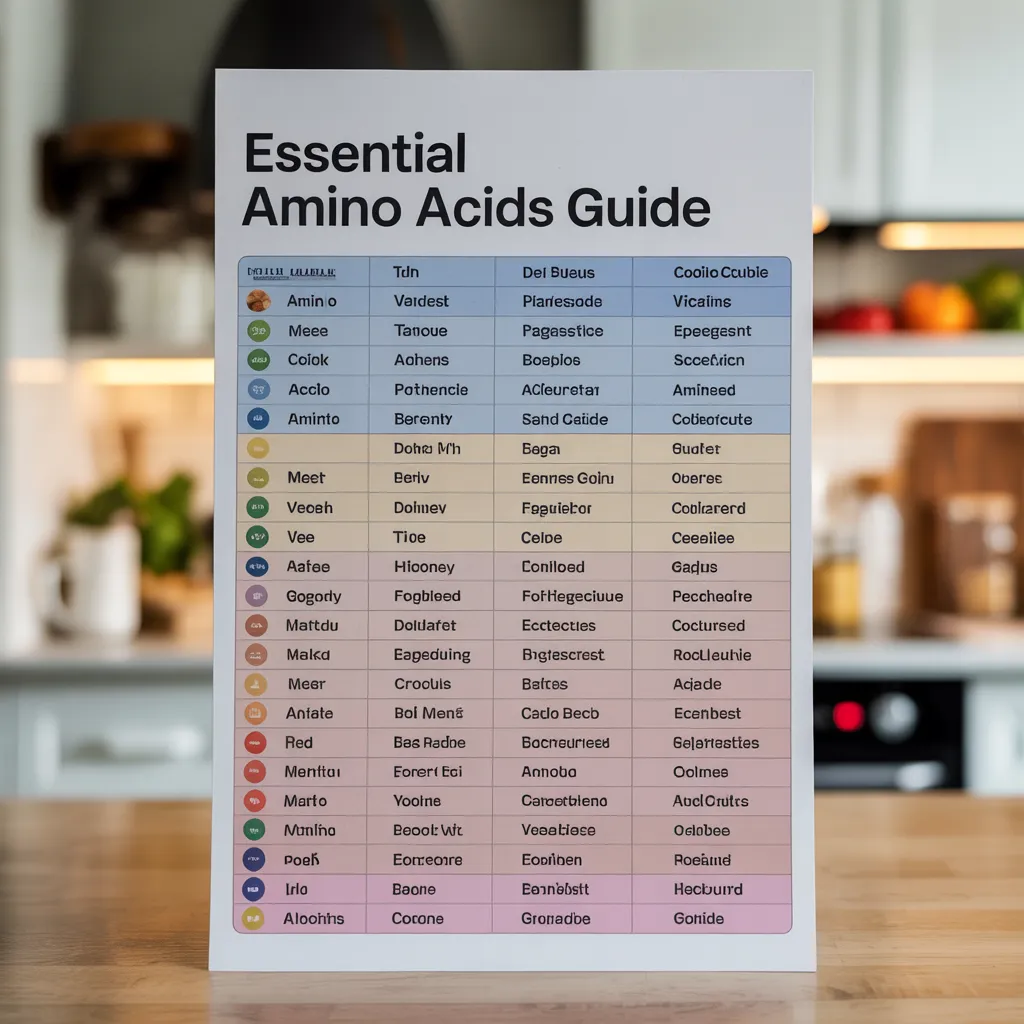
What Are Essential Amino Acids and Why Are They Important?
Essential amino acids represent fundamental building blocks of proteins that the body is unable to synthesize on its own, making dietary intake vital. These amino acids play a crucial role in multiple physiological processes, including muscle repair, immune function, and hormone production. Unlike non-essential amino acids, which the body can synthesize, essential amino acids must be derived from food sources, emphasizing their importance in a balanced diet.
A shortage of essential amino acids can lead to multiple health problems, including muscle loss, fatigue, and weakened immune reactions. They are particularly important for people with greater protein needs, such as athletes, growing children, and those recuperating from illness. Understanding the significance of essential amino acids is essential for sustaining overall health and improving bodily functions. Guaranteeing an adequate intake through various dietary sources can support wellness and promote optimal physiological performance.
The 9 Crucial Amino Acids: Functions and Dietary Sources
Whereas the body relies on a total of 20 amino acids, only nine are categorized as essential, each providing unique functions that are critical for overall health. These essential amino acids include histidine, isoleucine, leucine, lysine, methionine, phenylalanine, threonine, tryptophan, and valine. Histidine is essential for the production of histamine, which plays a role in immune responses. Isoleucine and leucine are important for energy regulation and muscle metabolism. Lysine assists with calcium absorption and collagen production, while methionine acts as an antioxidant. Phenylalanine is participating in the creation of neurotransmitters, and threonine promotes immune function and protein production. Tryptophan is a precursor to serotonin, impacting mood and sleep. Food sources high in essential amino acids include meat, fish, dairy, eggs, quinoa, and soy products, guaranteeing that individuals can secure these necessary nutrients through a balanced diet.
Important Amino Acids for Building Muscle and Restoration
Essential amino acids are crucial for muscle growth important guide and repair, with essential amino acids being particularly important in this process. These nine amino acids cannot be synthesized by the body and must be acquired via diet or supplementation. They support muscle protein synthesis, which is the process that builds new muscle tissue after exercise. Of these, leucine is known for its ability to stimulate muscle protein synthesis effectively, making it a crucial factor for recovery and growth. Essential amino acids also help decrease muscle soreness and fatigue after intense workouts, supporting faster recovery. Furthermore, they support the repair of damaged muscle fibers, facilitating overall muscle health and function. A balanced intake of these amino acids is vital for athletes and those engaging in regular physical activity, ensuring superior muscle performance and development. Focusing on sources rich in essential amino acids can significantly enhance muscle growth and repair outcomes.
The Impact of Essential Amino Acids on Hormones and Immunity
Hormones and immunity are greatly influenced by the presence of essential amino acids in the body. These amino acids act as building blocks for various hormones, including insulin and growth hormone, which control metabolism and growth. For instance, branched-chain amino acids (BCAAs) have been demonstrated to enhance the production of hormones that support muscle recovery and energy regulation.
Furthermore, essential amino acids play a critical role in immune function. They help with the synthesis of antibodies and cytokines, which are vital for immune response. Tryptophan, for example, serves as a building block for serotonin and melatonin, which can regulate immune responses and promote overall health.
A proper balance of essential amino acids is crucial for supporting hormonal balance and a strong immune system. Their deficiency can contribute to reduced immune response and hormonal dysregulation, highlighting their importance in total wellness and well-being.
Detecting Essential Amino Acid Lack
Detecting a shortage in essential amino acids is essential for maintaining overall health, as the body relies on these nutrients for various physiological functions. Symptoms of such a shortage can present themselves in multiple ways, including exhaustion, muscle weakness, and impaired immune function. Individuals may also experience mood disturbances, as essential amino acids play a vital role in neurotransmitter synthesis.
Moreover, skin and hair condition can worsen, resulting in dry skin or loss of hair. In children, such a deficiency can impede growth and development, impacting both physical and cognitive progress.
It is vital for individuals to keep track of their nutritional intake and understand these symptoms, specifically those with restricted eating patterns or higher protein demands, such as athletes. Consistent health evaluations and appointments with healthcare professionals can support identifying likely deficiencies quickly, allowing for timely intervention and support for overall well-being.
Practical Ways to Add Essential Amino Acids to Your Diet
Integrating essential amino acids into your diet is essential for supporting your overall health. One practical strategy is to include a wide selection of protein sources, such as lean meats, fish, dairy, legumes, and nuts. For example, adding poultry or fish to salads can enhance amino acid profiles substantially. Plant-based eaters can combine foods like beans and rice or hummus and wholegrain pita to achieve a complete amino acid spectrum.
Including dairy products like yogurt or cottage cheese into meals or snacks offers a excellent source of essential amino acids. Additionally, protein powders can act as a practical option for baking or smoothies, ensuring an adequate intake. Lastly, incorporating a varied range of vegetables not only boosts overall nutrition but also promotes amino acid absorption. By strategically selecting ingredients, individuals can effortlessly improve their meals with essential amino acids.
Frequently Asked Questions
May Essential Amino Acids Prove Harmful with Excessive Amounts?
Too much use of necessary amino acids can bring about various health complications, including irregularities in nitrogen ratios, likely kidney pressure, and interruptions in metabolic processes. Moderation is essential for keeping complete health and wellness.
Is It Safe for Children and Infants to Take Essential Amino Acids?
Essential amino acids are generally considered safe for children and infants when ingested in suitable amounts. Nonetheless, consulting a healthcare professional is recommended to ensure proper dietary balance and prevent potential dietary imbalances or health concerns.
How Do Essential and Non-Essential Amino Acids Differ?
Essential amino acids are not produced by the body and require dietary intake, while the body can produce non-essential amino acids. This distinction underscores their distinct roles in nutrition and metabolic processes.
Can I Get Essential Amino Acids Through a Vegan Diet?
Indeed, crucial amino acids can be sourced from a vegan diet through a range of plant-based sources, including legumes, quinoa, nuts, seeds, and soy products, ensuring a balanced intake of all essential amino acids.
Do Essential Amino Acids Have Interactions With Medications or Supplements?
Vital amino acids can interfere with specific medications and supplements, potentially even influencing absorption or efficacy. It is suggested for individuals to consult health experts to comprehend these interactions and optimize their diet and treatment regimens.