The Complete Guide to Choosing a Yogurt Starter
With regards to making yogurt, identifying the right starter is crucial. Several options exist, such as commercial yogurts with live cultures to probiotic capsules. Even non-dairy substitutes can be considered, broadening the potential for different dietary preferences. Understanding these options can considerably shape the fermentation process and final product. As one reviews these options, crucial insights about achieving the desired texture and flavor emerge. What factors should be considered to guarantee success?
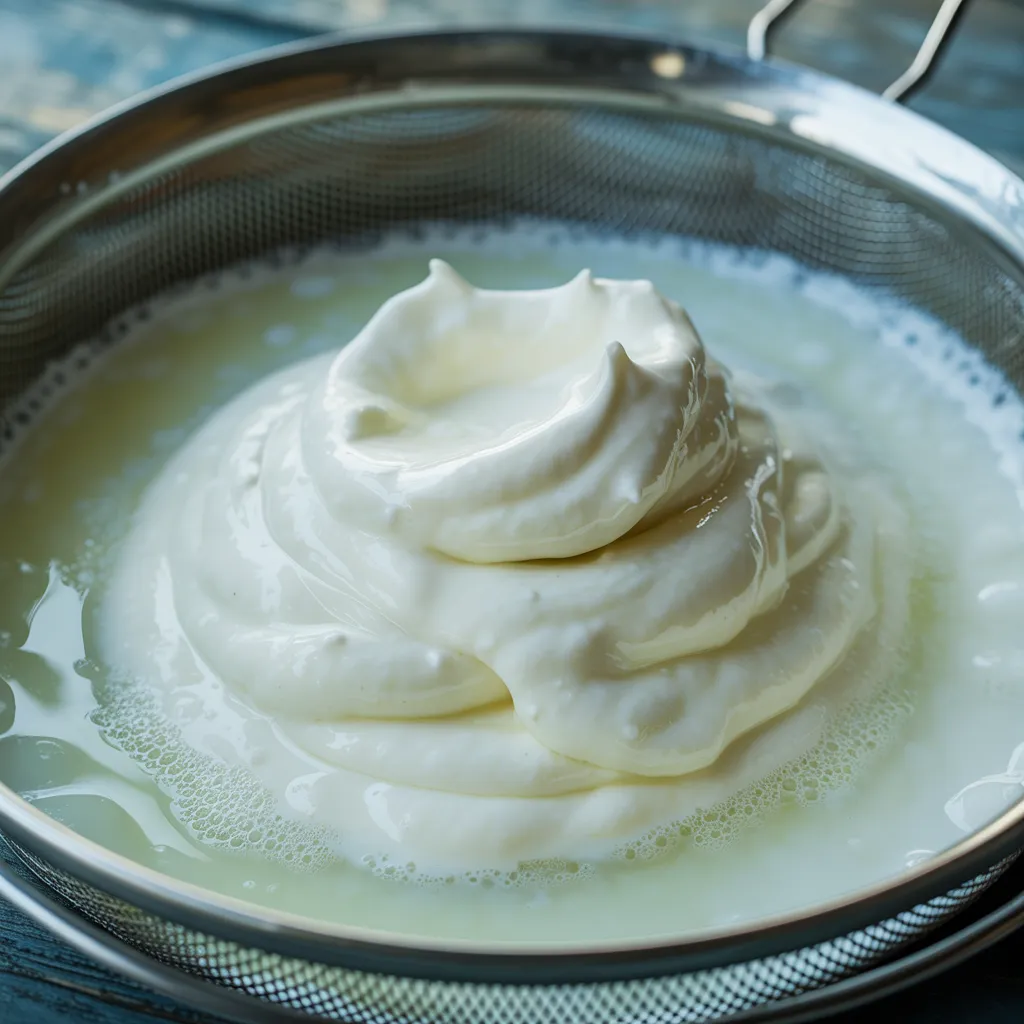
How to Select the Ideal Yogurt Starter
In selecting a yogurt starter, individuals should consider several key factors that influence the fermentation process. The decision of starter culture can substantially affect the flavor profile, texture, and probiotic content of the final product. First, one should ascertain whether to use a commercial starter or a live yogurt that contains active cultures. The specific strains of bacteria are critical; for instance, Lactobacillus bulgaricus and Streptococcus thermophilus are traditional yogurt starters that produce creamy results. Additionally, the freshness and viability of the starter culture are vital, as older cultures may not ferment effectively. People should also consider their personal preferences for flavor profiles and the desired thickness of the yogurt. Ultimately, environmental factors such as temperature and time of fermentation must align with the chosen starter to achieve perfect results. By thoroughly evaluating these factors, one can select a yogurt starter that meets their specific needs.
Top Store-Bought Yogurt Starters for Easy Yogurt Making
Commercially available yogurt starters deliver a practical solution for those excited to make homemade yogurt without the complexities of sourcing individual cultures. Several popular brands deliver trustworthy options that cater to multiple preferences. For instance, cultures like Dannon's Plain Yogurt and Chobani's Greek Yogurt are commonly acknowledged for their live active cultures, making them excellent choices for beginners.
Additionally, specialty starters such as Yogourmet and Nancy's Organic Yogurt provide specific strains intended for unique textures and flavors. These brands commonly include thorough instructions, enabling successful fermentation. Some products even cater to dietary restrictions, featuring dairy-free or vegan alternatives, like coconut-based starters.
The Process of Using Leftover Yogurt as Starter Culture
Using excess yogurt as a starter culture is a practical approach for those seeking to maintain their yogurt-making process without needing store-bought options. To utilize this approach, one should begin with a small quantity of plain yogurt containing live active cultures. Typically, 2-3 tablespoons of yogurt can be blended with a quart of warm milk, optimally at a temperature around 110°F (43°C).
Following the mixing process, the mixture should be softly blended to guarantee even distribution of the cultures. The yogurt mixture then must be placed in a warm environment, such as an insulation-lined container or yogurt maker, for a number of hours, usually between 6 to 12, until it reaches the desired thickness and tanginess. Once fermentation is done, the homemade yogurt can be stored in the fridge. The remaining yogurt can be set aside as a starter for future batches, creating a sustainable cycle of yogurt production.
Exactly Why Probiotic Capsules Serve as Superior Yogurt Starters
Probiotic capsules provide a practical and dependable option for those looking to start their yogurt creation journey, especially for people who lack access to live yogurt starters. These capsules contain active bacterial cultures that can successfully culture milk into yogurt, ensuring a favorable result. They are typically storage-friendly, making them convenient for storage and travel, which is advantageous for those without refrigeration for fresh cultures.
In addition, probiotic capsules commonly contain a diversity of beneficial bacteria, boosting the nutritional profile of homemade yogurt. This diversity can produce a more complex flavor and enhanced health benefits. The precise dosage in capsules enables easy measurement, confirming that the correct amount of bacteria is used for optimal fermentation. All in all, probiotic capsules offer a convenient, reliable alternative for making yogurt, ideal for both beginners and experienced home cooks alike.
Plant-Based Yogurt Starter Alternatives for Vegan Yogurt
How can plant-based yogurt lovers achieve the creamy texture and tangy flavor they want without dairy? Non-dairy yogurt starters provide a viable solution. Options include commercially available non-dairy yogurts that contain live active cultures, such as those made from soy, almond, or coconut. These products typically contain the necessary probiotics to ferment the base, resulting in a satisfying yogurt alternative.
An alternative is to utilize probiotic capsules specially formulated for fermentation. These capsules generally contain a blend of beneficial bacteria that can work effectively with plant-based milks. In addition, some individuals decide to work with homemade nut or seed milks, inoculating them with the desired cultures for a vibrant, creamy result.
For anyone desiring a unique flavor, coconut cream can be blended with non-dairy milk and a starter. This approach not only enhances texture but also adds a natural sweetness, making it an appealing choice for plant-based yogurt enthusiasts.
Advice for Effective Yogurt Production Employing Different Starters
Successful yogurt making relies on several key factors, including the selection of premium ingredients, maintaining the perfect temperature, and carefully timing the fermentation period. Each starter culture may require specific conditions to thrive, impacting the final texture and flavor of the yogurt. Understanding these elements can improve the yogurt-making experience and yield excellent results.
Selecting High-Quality Ingredients
Quality ingredients form the basis of excellent yogurt, rendering meticulous selection crucial for anyone making yogurt at home. Fresh, high-quality milk is essential; organic or whole milk often yields creamier results. It's best to pick milk lacking additives and preservatives to maintain genuine taste characteristics. Select live, active cultures as your starter option, available in examine this material commercial yogurts or dried culture packets. These bacterial cultures should possess designated strains suited to yogurt creation, like Lactobacillus bulgaricus and Streptococcus thermophilus. Moreover, employing fresh unsweetened yogurt as a starter can elevate taste and mouthfeel. Finally, focusing on ingredient quality creates the basis for rewarding yogurt-making results.
Sustaining Proper Temperature
Sustaining the ideal temperature is vital for achieving the perfect yogurt texture and flavor, independent of the starter used. Most yogurt cultures develop optimally between 100°F and 115°F (38°C to 46°C). Using tools such as yogurt makers, slow cookers, or even an oven can help control temperature effectively. When using a yogurt maker, set it to the desired temperature, guaranteeing a stable environment. For alternatives, wrap jars in towels or place them in insulated containers to retain warmth. Tracking the temperature with a thermometer is vital, as fluctuations can hinder fermentation. A steady temperature supports the growth of beneficial bacteria, yielding successful yogurt production, whether one uses commercial cultures, probiotic capsules, or homemade starters.
Timing and Duration of Fermentation
Attaining the correct timing during the fermentation period is key to creating yogurt with ideal flavor and texture. Different yogurt starters demand varying fermentation times; for instance, traditional yogurt cultures typically ferment for 6 to 12 hours, while non-dairy starters may need 24 hours or longer. Monitoring the yogurt's consistency and taste is essential, as over-fermentation can lead to sourness and undesirable texture. A good practice is to examine the yogurt after the minimum fermentation time, allowing for adjustments based on personal preference. Moreover, factors such as the type of milk used and the fermentation temperature can influence timing. Consequently, being mindful of these aspects will help ensure a successful yogurt-making experience with any starter.
Common Questions
Is Expired Yogurt Suitable for Use as a Starter?
Using expired yogurt as a starter can be effective, provided it shows no evidence of spoilage. The live cultures could still be active, but successful fermentation relies on the yogurt's quality and storage conditions.
How Many Times Is It Possible to Reuse Yogurt Starters?
A yogurt starter can typically be reused between three and five times. Each subsequent batch may have a slightly lesser quality, as the live cultures diminish over time, which may affect the yogurt's consistency and taste.
Is Refrigeration Required for Yogurt Starters?
Refrigeration is required for yogurt starters to retain their potency and viability. Keeping them at cooler temperatures aids in preserving the living bacteria essential for fermentation, guaranteeing effective results when employed in yogurt-making preparations.
Is It OK to Mix Various Yogurt Starters?
Mixing different yogurt starters is possible. Such a mixture can enhance both flavor and texture, producing a unique yogurt. That said, ensuring culture compatibility is vital to secure successful fermentation and the results you want.
What Can I Do if My Yogurt Won't Set?
If yogurt doesn't set, it may result from insufficient bacteria, improper temperature, or inadequate incubation time. The culture stays thin, causing dissatisfaction, but adjustments can often yield successful fermentation in future attempts.